Furnished vs Unfurnished Rentals Compared
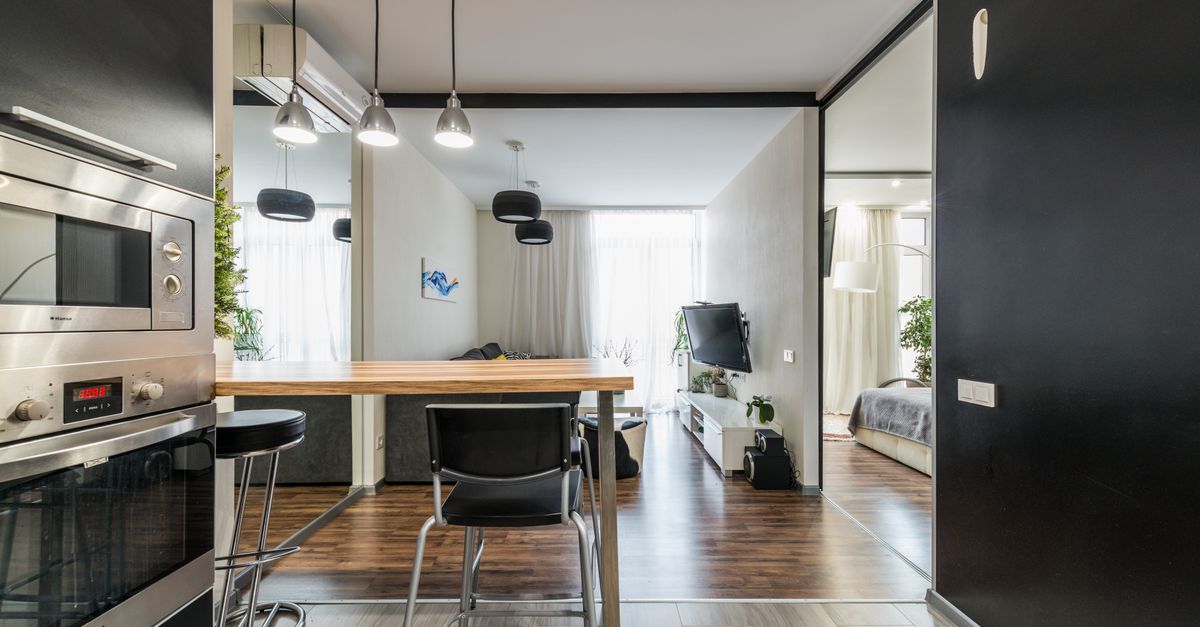
Choosing between furnished and unfurnished rentals comes down to a simple trade-off: convenience versus long-term cost and personalization.
A furnished rental typically costs 15% to 30% more each month, but it saves you thousands in upfront furniture purchases and eliminates the headache of moving heavy gear. An unfurnished place gives you complete control over your living space and lower monthly rent, making it the smarter financial move if you plan to stay put for a year or more.
When exploring furnished vs unfurnished apartments for rent near me, understanding how these differences impact your monthly cash flow, lease flexibility, and everyday comfort will keep you from signing a lease you quickly regret.
The Real Cost Breakdown: Upfront Purchases vs. Monthly Premiums
Renters often look solely at base rent when evaluating properties, but that paints an incomplete picture.
With an unfurnished unit, your base rent is lower, but your initial move-in costs surge. Outfitting a one-bedroom apartment with essentials—a mattress, bed frame, couch, dining set, lighting, and basic storage—often runs anywhere from $2,500 to $6,000 depending on quality. If you do not already own furniture, you must pay those costs out of pocket right away or finance them.
Conversely, when you look at furnished vs unfurnished apartments for rent near me, furnished units shift that expense directly into your recurring monthly bill. That extra $300 to $700 per month adds up quickly. If you stay in a furnished apartment for eighteen months, you might end up paying $5,000 to $8,000 in rental premiums—money that buys you zero equity in the items you are using.
The general financial rule: If your lease is shorter than 12 months, a furnished rental usually saves you money and time. If you plan to stay past 12 months, buying your own furniture and choosing an unfurnished unit almost always leaves you financially ahead.
Moving Logistics and Time Commitments
Another factor people weigh when looking up furnished vs unfurnished apartments for rent near me is the pure hassle of moving day.
Moving an entire household takes days of packing, renting trucks, bribing friends with pizza, or paying professional movers thousands of dollars—especially if stairs or tight elevators are involved. If your job moves you frequently or you are relocating to a new city on short notice, walking into an apartment that already has a made bed and a functioning desk is an immense relief.
Furnished spaces let you travel light. You pack your suitcases, pick up the keys, and you are settled. When your lease ends, leaving is just as straightforward: you hand over the keys and move on without dealing with marketplace listings to sell used couches or coordinating heavy-item pickups.
Aesthetic Control and Everyday Comfort
There is a distinct psychological difference between living in someone else's space and making an apartment your own.
Furnished rentals tend to be styled with mass-market, durable, neutral pieces. Landlords pick fabrics that hide stains and furniture built for durability over ultimate luxury. The mattress might be firmer than you like, the desk chair might lack ergonomic support, and you rarely have permission to swap out bulky pieces or mount artwork.
In an unfurnished apartment, the space is a clean slate. You choose the exact mattress that supports your back, the lighting that sets the right mood, and rugs that reflect your aesthetic. For renters who view their home as a personal sanctuary rather than just a temporary basecamp, unfurnished units offer a level of comfort that pre-decorated rentals struggle to match.
Deposits, Wear and Tear, and Liability
Tenants browsing furnished vs unfurnished apartments for rent near me often overlook lease flexibility and liability differences.
Because furnished apartments contain expensive property owned by the landlord, security deposits are routinely higher. Many jurisdictions allow property managers to collect an extra deposit explicitly designated for furnishings.
Every spill on an armchair, scratch on a coffee table, or tear in a lampshade comes under intense scrutiny during your move-out inspection. You are effectively responsible for keeping another person's furniture in pristine condition. In an unfurnished unit, standard wear-and-tear rules apply mainly to baseboards, walls, and built-in appliances—meaning fewer arguments over whether a cushion stain counts as normal use.
How to Choose Based on Your Current Lifestyle
To narrow down your search across furnished vs unfurnished apartments for rent near me, match your decision directly to your life stage:
- Go with a Furnished Rental if:
- You are on a temporary corporate assignment, medical residency, or internship.
- You are new to an area and want to test out neighborhoods before committing long-term.
- You value quick setup over aesthetic freedom.
-
You do not want the expense or physical labor of moving large items.
-
Go with an Unfurnished Rental if:
- You plan to renew your lease for two or more years.
- You already own a core set of furniture that fits your routine.
- You work from home and need specific ergonomic gear and customized office layouts.
- You want to keep your baseline monthly rent as low as possible.
Frequently asked questions
What typically comes inside a furnished rental?
Most furnished units provide foundational living room furniture (sofa, coffee table, TV stand), a dining table with chairs, and a bed frame with a mattress and nightstands. Some 'turn-key' listings also include cookware, dishware, bedding, and small appliances, but you should always review the inventory checklist before signing.
Can I ask a landlord to remove furniture from a furnished apartment?
Occasionally, yes. If a landlord is having trouble filling the vacancy, they may agree to move certain pieces to an off-site storage unit. However, they usually charge a small storage fee or require you to pay the full furnished rental rate regardless.
Are utilities included in furnished apartments?
Furnished units are far more likely to bundle utilities (water, electricity, Wi-Fi) into one flat rate than unfurnished units. While convenient, verify whether there is a utility cap where excessive usage triggers extra charges.
Why does the price gap vary between furnished vs unfurnished apartments for rent near me?
The price difference reflects local demand, turnover frequency, and the quality of the items provided. In urban hubs with high corporate or student turnover, furnished units command a much higher markup than in suburban, long-term residential markets.